
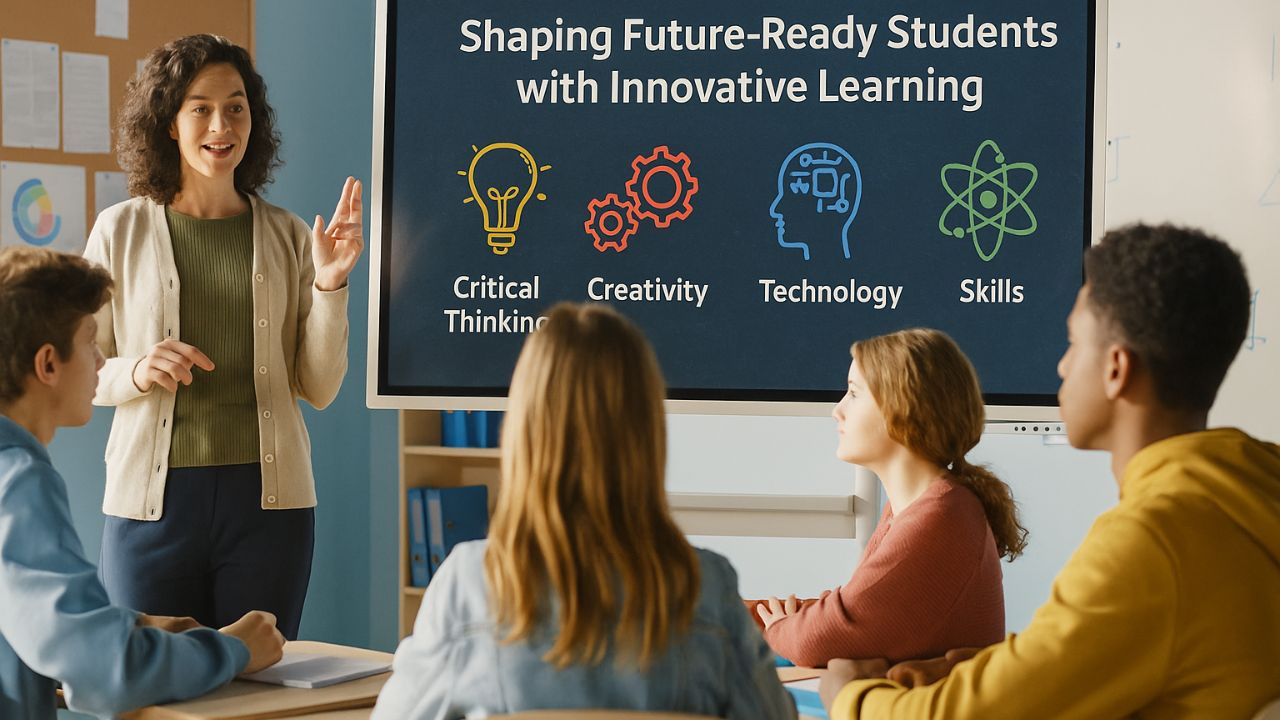
Innovative Learning – Education today is not just about gaining degrees; it is about shaping character, building values, and preparing students for meaningful lives. At the forefront of this mission is the Institute of Epistemics, India, which can be explored at http://instituteofepistemics.org. This institution is dedicated to offering value-based higher education that balances academic excellence with moral integrity. Students here are not only encouraged to excel in their chosen career paths but are also guided to think ethically, act responsibly, and serve society with compassion. The college promotes research, innovation, and holistic learning, ensuring that learners develop practical skills while staying rooted in cultural and social values. By nurturing a blend of knowledge, values, and vision, the institute empowers students to unlock their full potential and contribute positively to the global community. Such an approach to education builds confident leaders who can shape a brighter, more inclusive, and responsible future.
The Role of Values in Modern Higher Education
In a rapidly changing world where competition and technology dominate, it is crucial to remember that values remain the foundation of human progress. Value-based higher education equips students with the strength to make ethical decisions in professional and personal life. When colleges embed values like honesty, empathy, responsibility, and respect into their academic framework, they transform students into socially responsible individuals rather than just degree holders. This approach helps reduce the gap between technical learning and moral responsibility. Students trained in such systems are better prepared to deal with challenges like corruption, social inequality, and environmental concerns. They learn to view success not only in terms of money and power but also in their ability to serve humanity. Thus, institutions promoting value-based education ensure their graduates are capable of leading society with wisdom and conscience.
Creating Opportunities Through Holistic Development
Unlocking potential in students requires more than classroom teaching; it demands a holistic development model. Value-based higher education integrates academics with cultural, spiritual, and emotional learning, ensuring that students grow as complete individuals. Extracurricular activities like sports, debates, and cultural programs allow students to explore their creativity and leadership qualities. Community service projects further instill empathy and social awareness. Holistic development also emphasizes mental well-being, promoting mindfulness and stress management in the learning journey. This balance allows students to remain focused and motivated while preparing for careers. By merging academics with values and practical skills, colleges build an environment where every learner is encouraged to dream big, stay grounded, and use their potential to create impactful change in society.
Research and Innovation with Responsibility
In the pursuit of progress, research and innovation are critical, but when combined with values, they achieve a higher purpose. Value-based higher education encourages students to innovate not just for profit but for solving real-world issues. Research projects that address social, environmental, and cultural challenges foster responsibility in young minds. For example, innovations in sustainable technology or inclusive digital tools showcase how knowledge can be used for the greater good. Institutions that integrate values into research prepare students to ask not only “what can we create?” but also “how will this creation benefit humanity?” This mindset ensures that future scientists, entrepreneurs, and leaders act with accountability and compassion. As a result, education becomes a force that fuels development while safeguarding social harmony and ethical standards.
Shaping Future-Ready Global Citizens
The ultimate goal of value-based higher education is to shape students into global citizens who can adapt to challenges while staying rooted in strong values. In today’s interconnected world, graduates must not only be skilled professionals but also responsible individuals who respect diversity and promote peace. By fostering qualities such as teamwork, respect for cultures, and inclusivity, higher education can prepare youth to thrive globally. Students who undergo such training are confident, empathetic, and innovative, making them valuable assets to society. They emerge not only as successful professionals but also as leaders who can inspire change and create a just and equitable world. Thus, unlocking potential through value-based higher education is not just about personal success; it is about building a future where education is synonymous with wisdom, humanity, and progress.